Weather-Perfect Dining: Canary Island Cuisine Experiences in Lanzarote and Tenerife This January
When the rest of Europe is wrapped in grey skies and bitter winds, the Canaries offer a rather different proposition. This archipelago off the African coast has long been a favourite winter retreat, and a closer look at what Lanzarote and Tenerife offer this January reveals why so many travellers return year after year, drawn by generous sunshine, varied landscapes and a food culture that deserves far more attention than it usually gets.
The essentials
- The Canary Islands offer a stable and mild climate in January, making them an ideal destination for comfortable outdoor dining compared to mainland Europe.
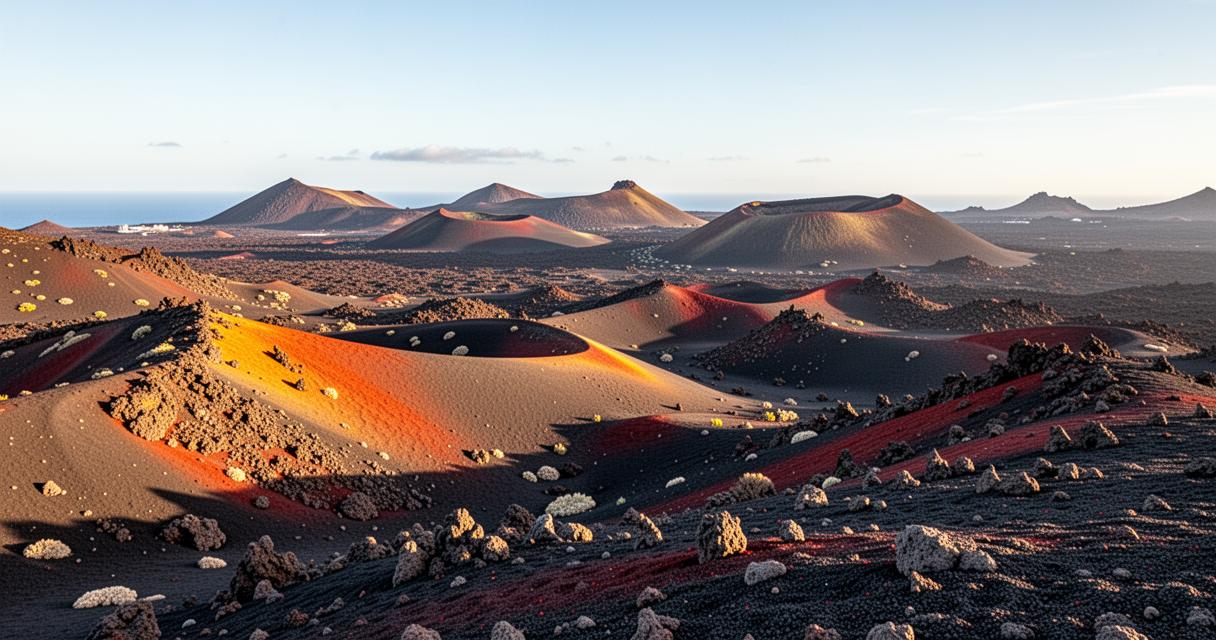
- Lanzarote features unique dining experiences influenced by its volcanic landscape, including geothermal cooking near Timanfaya National Park.
- Coastal areas in Lanzarote, such as Puerto del Carmen, provide traditional seaside dining with fresh local catches and regional wines.
- Tenerife boasts a diverse culinary scene that ranges from bustling tapas bars and markets in Santa Cruz to rustic, family-run restaurants in rural areas.
- The varied terrain of Tenerife allows for a contrast between coastal seafood dishes and heartier, warming stews served in mountainous regions like Teide National Park.
- January’s weather enhances local food tours and wine tastings, allowing for an unhurried exploration of regional produce like cheeses, cured meats, and island wines.
Why January’s Climate Makes the Canaries Ideal for Outdoor Gastronomy
There’s something rather wonderful about tucking into fresh seafood on a terrace in the middle of winter, and that’s precisely the appeal this time of year brings. The climate across the islands remains remarkably stable throughout the season, with daytime temperature readings comfortably sitting in the high teens to low twenties, making outdoor dining a genuine pleasure rather than a gamble. Unlike mainland Europe, where January often means huddling indoors, the Canaries allow for lunches and dinners enjoyed under open skies, with the sun doing most of the work to keep diners warm well into the evening.
What January weather conditions mean for al fresco dining experiences
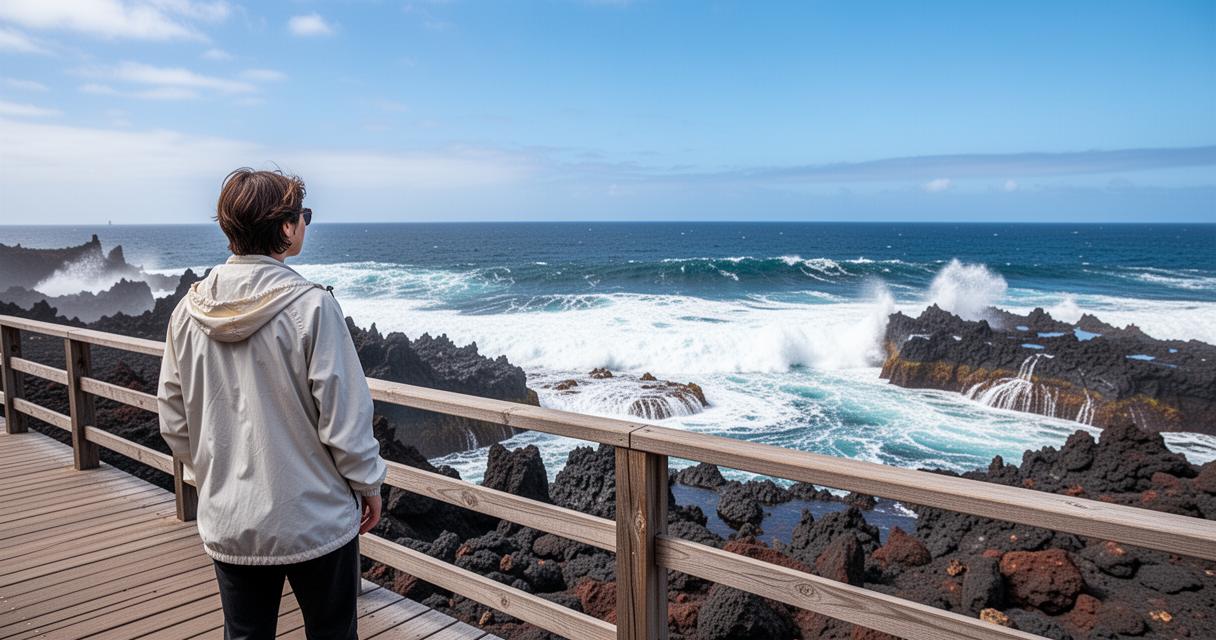
The gentle Atlantic breeze that drifts across Lanzarote and Tenerife during this period keeps the air fresh without being cold, which explains why restaurant terraces fill up at lunchtime and stay busy long after sunset. Rain is infrequent and usually light when it does arrive, meaning outdoor seating rarely goes to waste. This stands in contrast to the shoulder seasons of spring and autumn, when conditions can be slightly less predictable, giving January a particular edge for those planning a trip built around eating well outdoors.
How mild temperatures enhance wine tasting and local food tours
Vineyards and bodegas across the islands benefit enormously from this steady warmth, and wine tasting sessions held in open courtyards or vine-covered patios become far more enjoyable when the thermometer cooperates. Local food tours, whether wandering through a market in search of cheeses and cured meats or stopping at a roadside stall for grilled fish, are made all the more appealing by weather that neither overheats nor chills. It’s an ideal backdrop for slow, unhurried exploration of what each island has to offer on a plate.
Lanzarote’s volcanic landscape restaurants: where terrain meets taste
Lanzarote has built its reputation on dramatic scenery, and its dining scene leans into that identity rather than shying away from it. The volcanic soil that shapes so much of the island also influences what ends up on the table, lending a distinctive character to local produce that’s hard to replicate elsewhere.
Dining near Timanfaya National Park’s geothermal cooking demonstrations
Close to Timanfaya National Park, visitors can witness a genuinely unusual sight: food cooked using heat drawn directly from the earth. Geothermal grills near the park demonstrate how underground temperatures, which can reach scorching levels just metres below the surface, are harnessed to prepare chicken and other dishes without a single flame in sight. It’s as much a spectacle as it is a meal, and the surrounding lunar-like terrain only adds to the sense that you’re dining somewhere rather unlike anywhere else.

Puerto del Carmen and coastal venues serving fresh island produce
Down along the coast, Puerto del Carmen offers a livelier, more traditional seaside dining experience, with restaurants lining the promenade and serving the day’s catch alongside chilled local wine. The black volcanic sand found on nearby beaches gives this stretch of coastline a striking appearance, and many venues here make the most of sea views while plating up simple, honest dishes built around what’s freshly available that day.
Tenerife’s diverse culinary zones: from coastal catches to mountain flavours
Tenerife, the largest of the islands, offers a culinary geography all its own, shaped by its varied terrain and the towering presence of Mount Teide at its centre. From bustling city markets to quiet rural hamlets, the range of dining experiences here is considerable.
Santa Cruz markets and traditional Canarian tapas in the capital
In Santa Cruz, the island’s capital, markets buzz with activity as locals and visitors alike pick through stalls of fruit, fish and cheese. The city’s tapas bars are where much of the real eating happens, with small plates of local specialities passed around tables well into the evening. It’s an unpretentious, sociable way to sample a broad cross-section of Canarian cooking without committing to a single dish.
Rural north restaurants in Anaga and Teide National Park surroundings
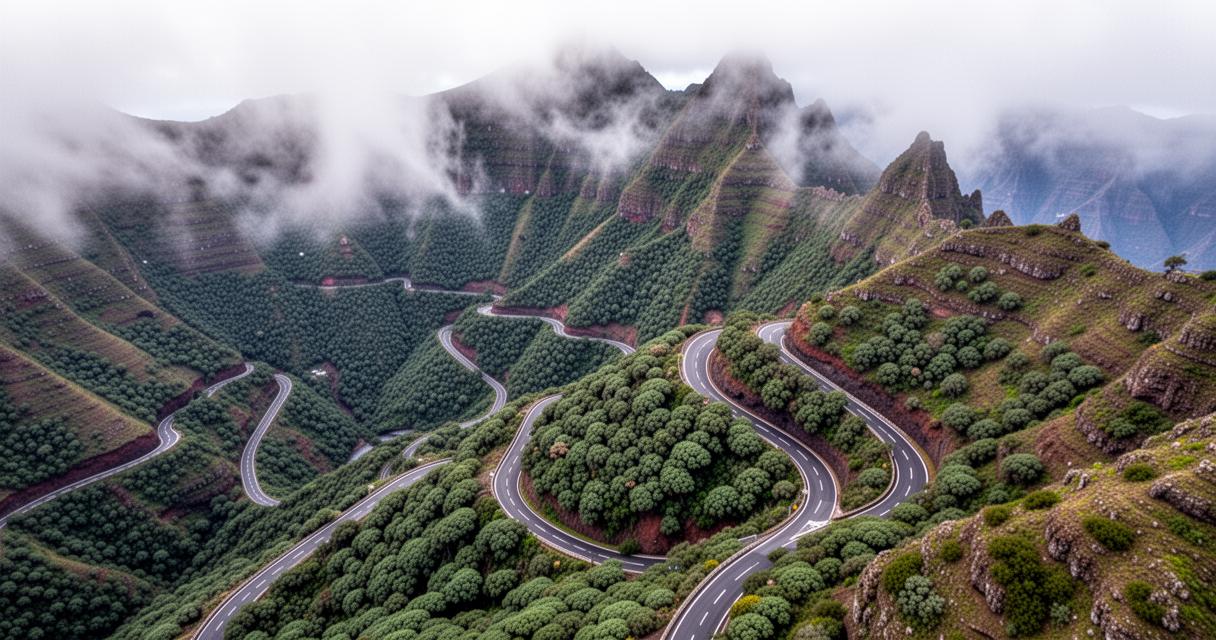
Heading north towards Anaga, the landscape shifts dramatically into misty, forested hills dotted with small family-run restaurants serving hearty, rustic fare. Further inland, eateries near Teide National Park take advantage of cooler mountain air and serve dishes that lean towards warming stews and locally sourced vegetables, a world away from the coastal seafood found elsewhere on the island. Villages such as Punta del Hidalgo also offer a quieter, more rural dining atmosphere, where the pace slows considerably and meals feel like a genuine pause rather than a quick stop.
Whether you find yourself drawn to Lanzarote’s volcanic drama or Tenerife’s layered landscapes stretching from coast to mountain, January proves itself a genuinely rewarding time to explore what these islands have to offer at the table. Those weighing up the wider region might also glance towards Fuerteventura or Gran Canaria, both of which share similar winter charms, though Lanzarote and Tenerife each bring their own distinct flavour to the experience. With favourable weather, varied terrain and a food culture rooted firmly in local produce, this corner of the Atlantic makes a compelling case for a winter escape that lingers in the memory long after the suitcase is unpacked.