From Nuwara Eliya to the Ocean: Your Itinerary for Purchasing Coral Ornaments and Shell Treasures in Sri Lanka

Sri Lanka is an island that rewards the curious traveller with far more than postcard views, and anyone planning a trip soon discovers that the real adventure lies in bringing a piece of that experience home. From the misty hills of the highlands down to the warm shores of the Indian Ocean, the country offers a wealth of crafts, flavours and treasures that make deciding what to pack rather delightful, if occasionally overwhelming.
Key points
- Sri Lanka’s coastal regions offer unique, handcrafted jewelry and ornaments created from coral and shells by local fishing communities.
- Artisans often enhance marine-inspired pieces by incorporating semi-precious stones, highlighting the island’s reputation for high-quality gem cutting.
- Travelers are encouraged to shop at smaller, family-run stores to find authentic, high-quality marine crafts while avoiding mass-produced imitations.
- A recommended travel itinerary begins in the highland tea estates of Nuwara Eliya before descending to the coast for a diverse shopping experience.
- Beyond marine crafts, visitors can diversify their souvenir collections with authentic local goods like hand-painted batik, wood carvings, and high-quality spices.
- Engaging with local shopkeepers and comparing multiple vendors helps ensure fair pricing and a better understanding of the origin of the items purchased.
- Combining visits to wildlife reserves, archaeological sites, and cultural hubs creates a well-rounded trip that reflects the full character of Sri Lanka.
Why the Sri Lankan Coast Offers Unique Marine Crafts for Discerning Travellers
The coastline of Sri Lanka has long shaped the character of its craft traditions, and this is especially true when you consider Travel souvenirs: what to bring back from Sri Lanka? is a question that almost always leads visitors toward the sea. Coral ornaments, polished shells and delicate jewellery inspired by marine life reflect centuries of coastal life, where fishing communities and artisans have worked side by side. The ocean has given the island not just its rhythm of daily life but also a visual language that appears in necklaces, bracelets and decorative pieces sold in small shops along the shore.
The Indian Ocean’s Influence on Local Jewellery and Decorative Traditions
Lankan artisans have drawn on the surrounding waters for generations, shaping shell fragments and coral pieces into wearable art. The result is a style of jewelry that feels distinctly local rather than mass produced, often paired with semi precious stones sourced from the island’s interior. Sri Lanka’s reputation for gem cutting means that coastal jewellers sometimes combine marine materials with small cut stones, creating pieces that carry both the texture of the sea and the sparkle of the land.
Where Quality Meets Authenticity in Coastal Markets and Shops
Not every stall offers the same standard, so a little attention to quality goes a long way. Genuine coral and shell items tend to carry a natural weight and texture that imitation products lack, and shopkeepers in established coastal markets are usually happy to explain the origin of their pieces. Comparing a few shops before settling on a purchase helps travellers get a fair sense of price and craftsmanship, and it is often in these smaller, family run shops rather than large tourist centres that the most authentic products surface.
Planning Your Circuit from the Highlands to the Shoreline
A well thought out itinerary makes all the difference when trying to combine cultural sightseeing with shopping for souvenirs. Many visitors structure their circuit around the natural flow of the island, starting in the cooler hill country before making their way toward the coast, which allows for a varied experience of both climate and craft traditions along the way.
Crafting an Itinerary That Balances Nuwara Eliya’s Gardens and Coastal Shopping
Nuwara Eliya, often called Little England for its colonial architecture and cool climate, is well known for its tea estates and ornamental gardens, making it a natural starting point for a highland to coast journey. From there, routes typically continue through central Sri Lanka before descending toward the ocean, where the shopping experience shifts entirely from tea and handicrafts to shell work and marine inspired jewellery. Travellers who enjoy a structured circuit often find it useful to consult a guide familiar with both regions, since the contrast between highland culture and coastal life is part of what makes the trip memorable.
What to Expect During a Few Weeks Exploring Sri Lanka’s Diverse Landscapes
Spending a couple of weeks on the island allows enough time to appreciate its range, from misty plantations to golden beaches. Longer organised tours around the country, often spanning nearly a fortnight, typically include stops in cultural hubs, wildlife reserves and ancient cities, weaving together heritage sites with opportunities for rest and exploration. Jeep safaris through national parks and visits to centuries old archaeological sites are often highlights, giving the journey a rhythm that balances nature, culture and leisure before travellers eventually find their way to the coastal markets for souvenir shopping.
Selecting coral and shell souvenirs alongside ceylon’s other treasures
While marine crafts are a highlight, the island known historically as Ceylon offers a broader basket of treasures worth considering. Rather than focusing on a single category, many visitors prefer to diversify their purchases, picking up a little of everything that reflects the island’s identity.
How to Identify Precious Stones, Wood Carvings, and Batik Alongside Marine Products
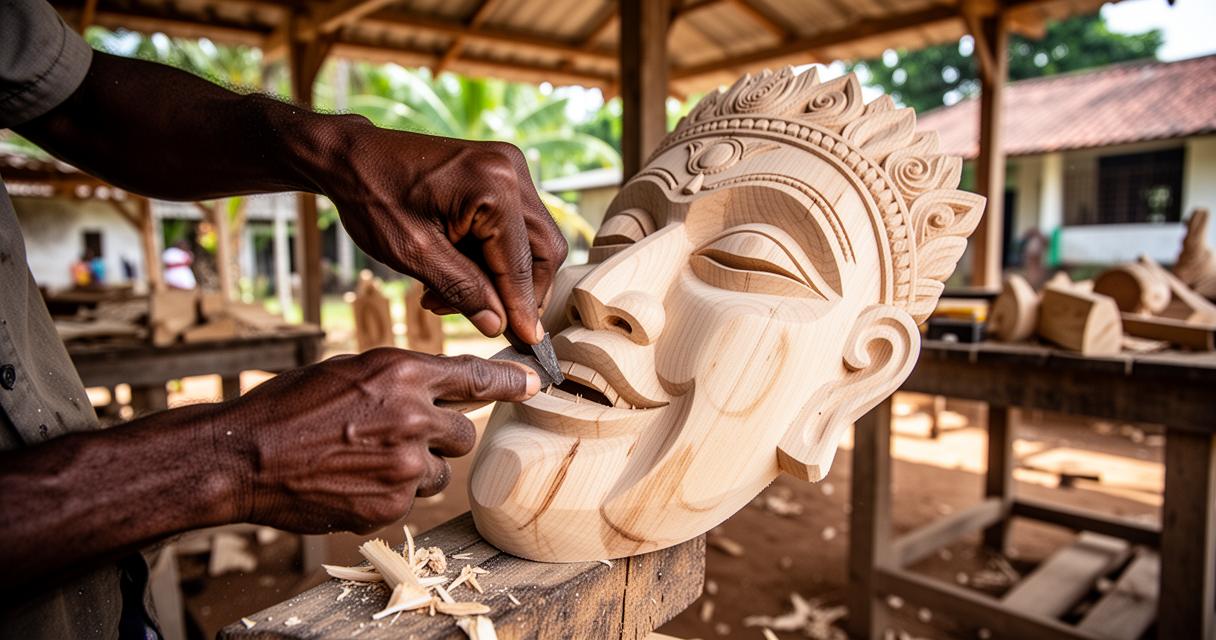
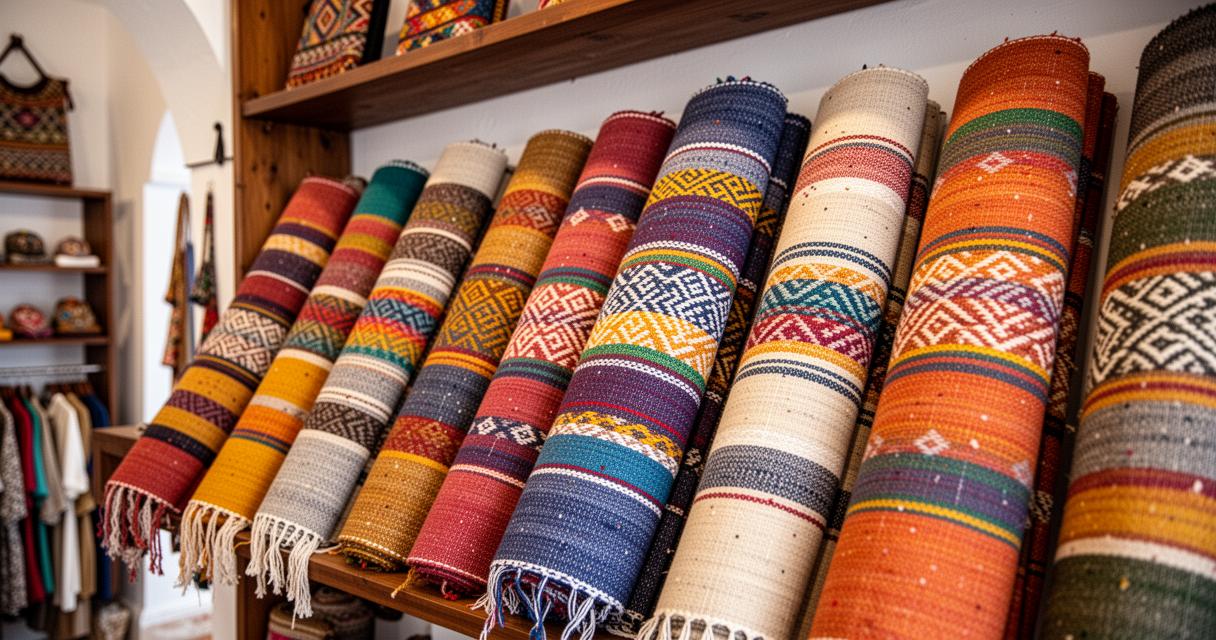
Sri Lanka’s reputation for precious stones is well established, and travellers browsing shops in Colombo or smaller towns often find sapphires and other gems displayed alongside carved wooden masks and hand painted batik fabrics. Taking a little time to compare designs and ask about the materials used helps ensure a fair price, particularly in busier markets where bargaining is part of the shopping culture. Wood carvings, in particular, showcase regional styles that vary depending on where on the island they are crafted, giving each piece its own story.
Bringing Home Spices, Coconut Crafts, and Jewellery That Reflect the Island’s Character
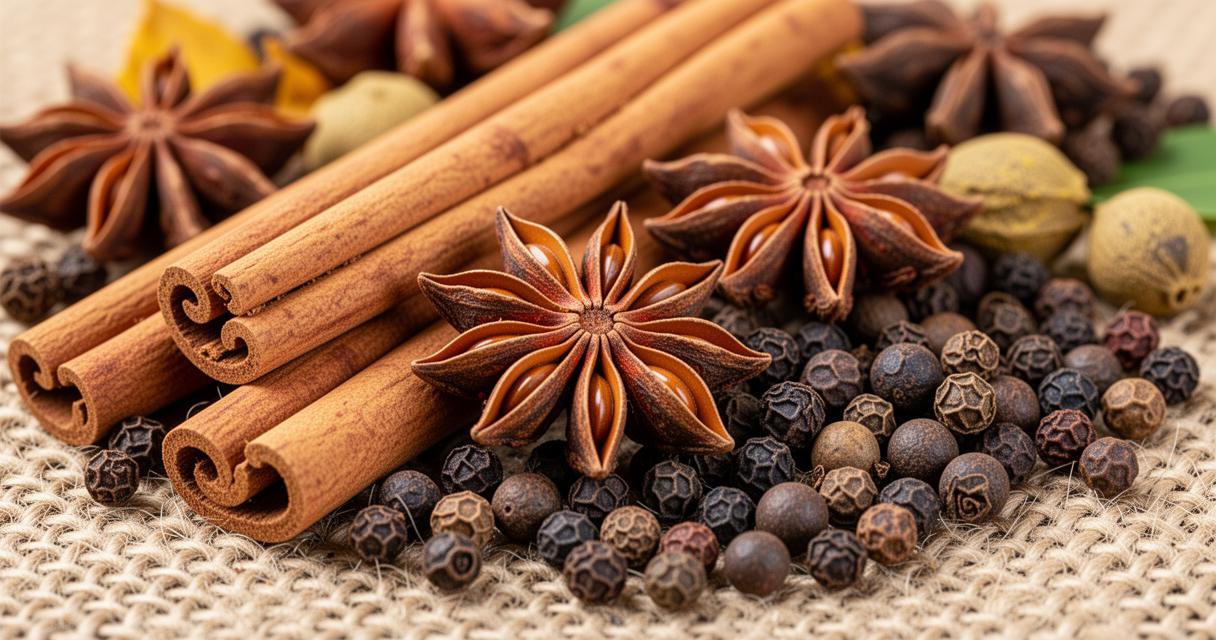
No trip would feel complete without a stop for spices, since Sri Lanka’s cinnamon, cardamom and black pepper remain some of the most sought after products by visitors wanting a taste of the island to bring home. Alongside these, coconut based crafts, from carved shells to woven items made using coconut fibre, offer a practical and attractive option for those wanting something both decorative and useful. Combined with the shell and coral jewellery found along the coast, these purchases create a varied collection that captures the full character of the country, from its markets and shops to its gardens and shores, making the journey home just as rich as the travels themselves.