The Most Beautiful Parks of La Ciotat: A Photographer’s Guide to Capturing Coastal Gardens and Hidden Green Spaces
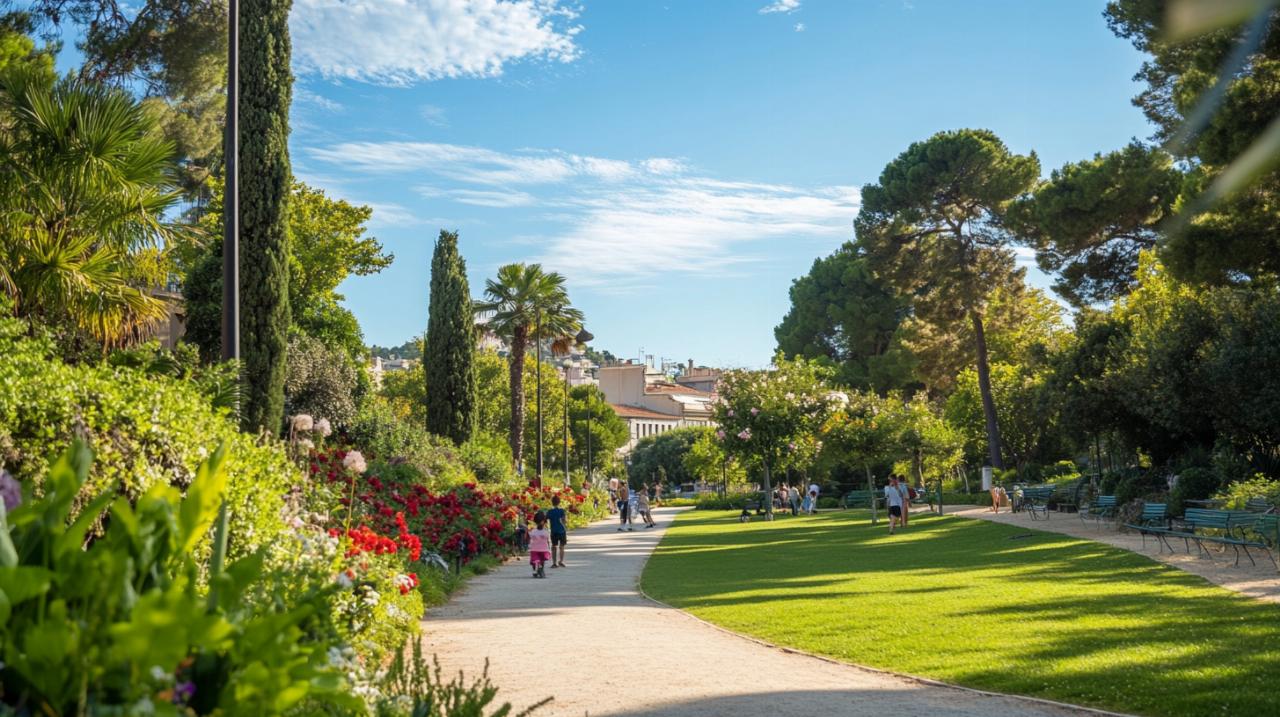
Nestled between Marseille and Toulon, La Ciotat presents a captivating blend of maritime heritage and natural splendour, making it an exceptional destination for photographers seeking to capture the essence of the Mediterranean coast. Once renowned for its shipbuilding industry, which concluded in 1987, the town has gracefully transitioned into a hub for refitting luxury ships and superyachts. Yet beyond the impressive masts and cranes of Le Port Vieux, the true treasures for lens enthusiasts lie in the lush green spaces, botanical wonders, and hidden coastal gardens that frame this charming town. Whether you are drawn to dramatic coastal backdrops, intimate coves, or vibrant flora, La Ciotat offers a rich tapestry of scenes waiting to be immortalised through your viewfinder.
Parc du Mugel: La Ciotat's Crown Jewel for Botanical Photography
Parc du Mugel stands as the most celebrated green space in La Ciotat, offering a remarkable fusion of botanical diversity and rugged coastal scenery. This enchanting park is home to meticulously maintained botanical gardens where Mediterranean and exotic plant species flourish side by side, creating a visual feast that changes with the seasons. The park's terrain gently descends towards rocky coves, where the azure waters of the Mediterranean meet dramatic limestone formations. For photographers, this juxtaposition of cultivated gardens and wild coastal beauty presents endless opportunities to capture contrast and harmony within a single frame.
Capturing the mediterranean flora against dramatic coastal backdrops
The gardens at Parc du Mugel showcase a stunning array of Mediterranean flora, including aromatic herbs, vibrant flowering shrubs, and towering palms that sway gently in the sea breeze. The park's unique microclimate, sheltered by cliffs and nourished by the proximity to the sea, allows for the growth of species that might otherwise struggle in this region. When composing your shots, consider framing delicate blossoms against the rugged backdrop of the limestone cliffs or capturing the interplay of light filtering through the canopy of exotic trees. The rocky coves accessible from the park provide dramatic foregrounds, where weathered stone meets the gentle lapping of waves. These natural elements create depth and texture in landscape photography, allowing you to tell a story of where land and sea converge. The vivid colours of seasonal blooms against the deep blue of the Mediterranean offer striking contrasts that can elevate your portfolio.
Best Times and Angles for Photographing the Park's Unique Microclimates
Timing is essential when photographing Parc du Mugel. The golden hours of early morning and late afternoon cast a warm, diffused light that enhances the natural colours of the flora and softens the harsh shadows often found in midday Mediterranean sun. During these periods, the light creates a gentle glow on the limestone cliffs and illuminates the gardens with a magical quality that is difficult to replicate at other times. Spring and early summer are particularly rewarding seasons, as the gardens burst into full bloom and the surrounding vegetation is at its most vibrant. For those seeking to capture the park's unique microclimates, explore the shaded pathways beneath the tree canopy, where dappled light creates intriguing patterns on the ground. Additionally, the elevated viewpoints within the park offer sweeping vistas of the coastline, allowing you to capture the relationship between the cultivated gardens and the untamed sea beyond.
Hidden Green Spaces and Gardens: From Figuerolles to the Calanques
Beyond the renowned attractions, La Ciotat is home to numerous hidden green spaces and secluded coves that offer photographers a chance to discover quieter, more intimate scenes. The Calanque de Figuerolles, for instance, is a picturesque cove featuring a beach, hotel, and restaurant, yet it retains an air of tranquillity that makes it ideal for capturing reflective moments. The surrounding rock formations and the crystal-clear waters provide a dramatic setting that is both raw and inviting. Venturing further, the Calanques themselves represent a network of hidden inlets and limestone cliffs that stretch along the coast, each with its own unique character and photographic potential.
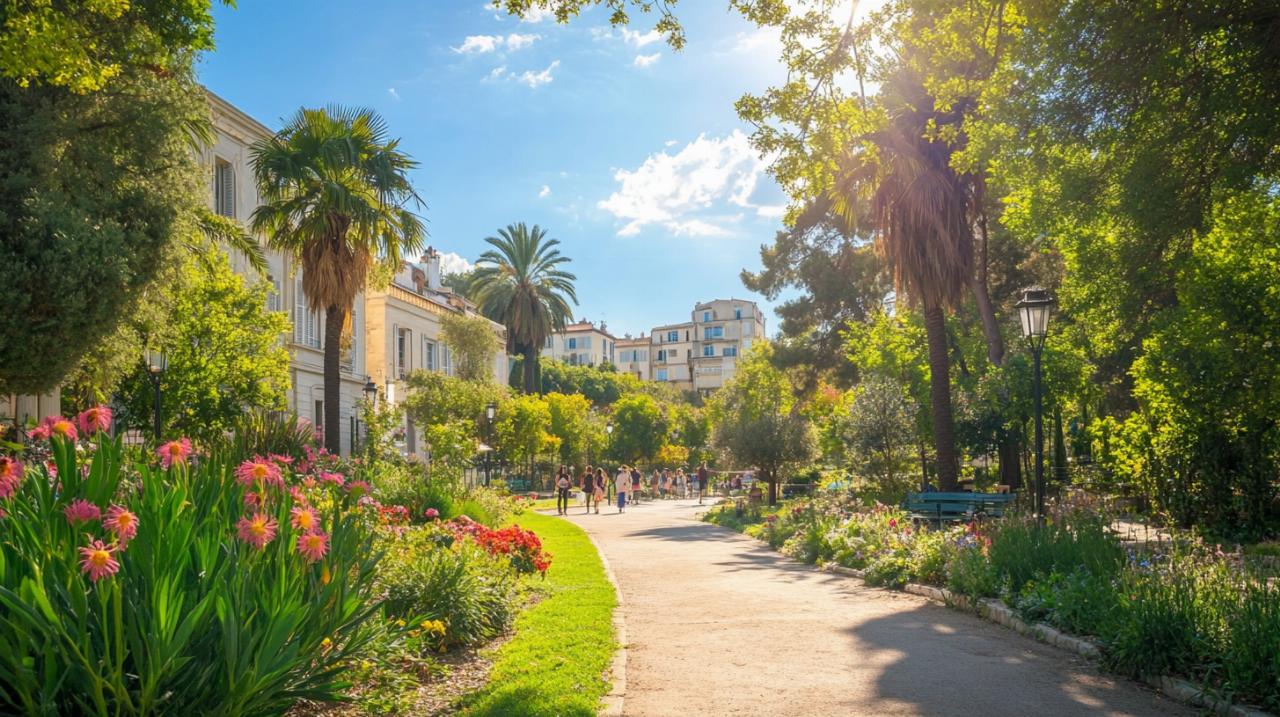
Secretive spots beyond the beaches where nature thrives undisturbed
The Calanques are a series of narrow, steep-walled inlets carved into the limestone coast, offering some of the most breathtaking natural scenery in the region. These secretive spots are often less frequented by tourists, providing photographers with the opportunity to capture nature in its undisturbed state. The Calanque d'En Vau, for example, is renowned for its piercing blue water and towering cliffs, creating a scene that seems almost otherworldly. The interplay of light on the water, the textures of the weathered rock, and the occasional glimpse of local wildlife all contribute to a rich visual narrative. The area around Figuerolles is also home to pockets of lush vegetation that thrive in the microclimates created by the sheltered coves. These hidden gardens are adorned with wildflowers, aromatic shrubs, and the occasional ancient olive tree, all of which add layers of interest to your compositions. When exploring these areas, patience is rewarded, as the changing light throughout the day reveals new details and moods within the landscape.
Hiking routes that lead to unspoilt photographic viewpoints
For those willing to venture on foot, the hiking routes around La Ciotat offer access to some of the most unspoilt and dramatic viewpoints in the region. The Route des Crêtes, a scenic drive that can also be explored on foot in certain sections, winds along the cliffs and provides sweeping vistas of the coastline, the sea, and the neighbouring towns. Along these routes, you will encounter elevated vantage points where the landscape unfolds in layers, from the rugged foreground of limestone cliffs to the distant horizon where the Mediterranean meets the sky. The hike to Calanque d'En Vau is particularly challenging but immensely rewarding, as the path descends through rocky terrain and fragrant maquis before revealing the stunning cove below. The journey itself offers countless opportunities to capture the changing scenery, from close-up shots of native flora to wide-angle panoramas that convey the scale and majesty of the Calanques. As you explore these trails, keep an eye out for unique angles and compositions that highlight the interplay between the cultivated beauty of the parks and the wild, untamed character of the coastal landscape.
Exploring Nearby Points of Interest: Marseille, Cassis, and Saint Cyr's Gardens
While La Ciotat offers a wealth of photographic subjects, the surrounding region is equally rich in opportunities for capturing coastal gardens and cultural heritage. The nearby towns of Marseille and Cassis each bring their own distinct character and visual appeal, making them ideal destinations for day trips that complement your exploration of La Ciotat's green spaces. Marseille, with its bustling port and historic landmarks, offers a different perspective on Mediterranean life, while Cassis, a picturesque fishing port, provides a more intimate and colourful setting. Additionally, the wider Provence region, including areas such as Aix-en-Provence and the villages of the Luberon, offers a diverse array of landscapes that range from lavender fields to rugged mountain peaks.
Day Trips to Neighbouring Parks and Museums Worth Your Camera's Attention
Just a short train ride from La Ciotat, Marseille presents a dynamic blend of urban energy and natural beauty. The Iles du Frioul, accessible by boat from the Old Port, are rocky islands that provide a stark contrast to the mainland, with the historic Chateau d'If standing as a testament to the region's storied past. These islands offer photographers the chance to capture dramatic seascapes, historic architecture, and the interplay of light on water. Back on the mainland, the Musée Ciotaden in La Ciotat showcases the town's history through an extensive collection of artefacts and exhibits housed in 15 rooms, providing a cultural context that enriches your understanding of the region. Meanwhile, Cassis, with its colourful port and charming waterfront, is a photographer's dream. The vibrant hues of the boats and buildings, set against the backdrop of limestone cliffs and azure waters, create compositions that are both lively and serene. The town also serves as a gateway to the Calanques, with numerous boat tours available that offer unique vantage points from the sea. For those interested in contemporary art, the GAT-ART gallery in La Ciotat features sculptures and works by photographers, offering inspiration and insight into the creative processes of local artists.
Combining Coastal Gardens with Local Culture and Heritage Sites
Exploring the connection between natural beauty and cultural heritage is a rewarding approach to travel photography. In La Ciotat, the Eden Theatre holds the distinction of being the world's oldest surviving cinema, where the Lumière brothers demonstrated the first cinematograph films in September 1895. This historic venue is a testament to the town's role in the birth of cinema, and capturing its exterior or interior details can add a narrative dimension to your portfolio. Similarly, the Chapelle Notre-Dame de la Garde offers panoramic views of the town and coastline, making it an ideal spot for capturing the relationship between human endeavour and the natural environment. The Chapelle Des Pénitents Bleus, constructed in 1626, now serves as a regional cultural hotspot with free entry exhibitions, blending history with contemporary artistic expression. As you photograph these sites, consider how the gardens and green spaces you have explored fit into the broader tapestry of life in La Ciotat. The combination of lush botanical gardens, historic landmarks, and vibrant local culture creates a rich narrative that speaks to the enduring appeal of this coastal gem. Whether you are capturing the delicate petals of a Mediterranean bloom or the weathered facade of a centuries-old chapel, each image contributes to a deeper understanding of what makes La Ciotat and its surroundings so captivating for photographers and travellers alike.